


Luma Westbau
Hans Ulrich Obrist Archives: Maria Lassnig
FREE

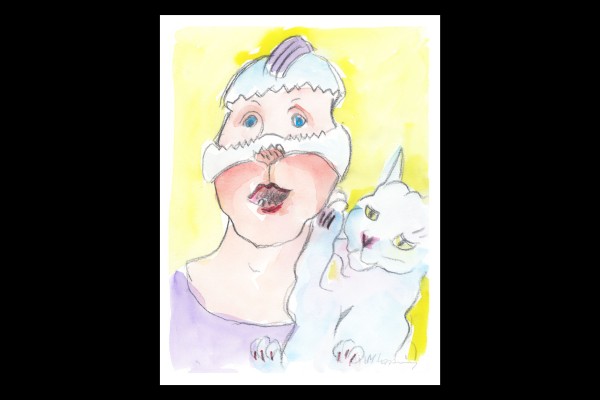
Luma Westbau presents the next chapter of the Hans Ulrich Obrist Archives, dedicated to the pioneering Austrian artist Maria Lassnig (1919–2014). Born in rural Southern Austria, Lassnig pursued a 70-year career across painting, drawing, and animated film.
For the first time, the presentation brings together the complete series of video interviews between Lassnig and Obrist, alongside their extensive correspondence, arranged in chronological order. Featured works include selected watercolours previously shown in Athens, as well as the biographical film The Ballad of Maria Lassnig (1992) and the animated film Selfportrait (1971), which reveals her pioneering experiments with animation within the feminist art scene of 1970s New York.
Echoing ‘Living with art stops one wilting!,’ a sentence Lassnig wrote to Hans Ulrich Obrist in her final, unfinished letter dated 11 January 2014, this show honours the vibrant legacy of a painter whose interior visions continue to reverberate across our bodies and souls.
Image: Maria Lassnig - Untitled, ca. 2000 - 2002. Watercolor on paper © Maria Lassnig Foundation. © Prolitteris, Zurich, Switzerland
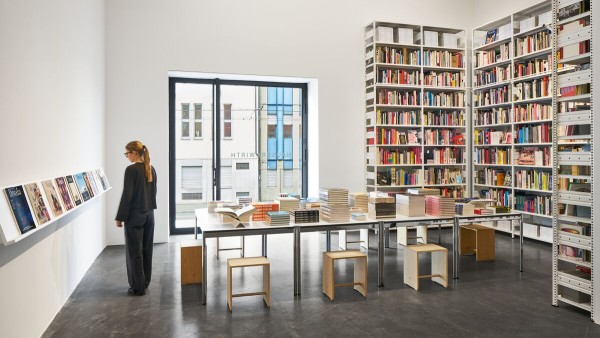
The book shop on the ground floor of our gallery at Löwenbräukunst is a dedicated area for books where we invite visitors to discover our newest Hauser & Wirth Publishers titles, explore our back catalogue, and further books on our gallery artists, alongside edition prints and issues of Ursula, our magazine of contemporary culture.
The bookshop is open Tuesday – Friday, 11 am – 6 pm and Saturday, 11 am – 5 pm.
For more than four decades, Catherine Goodman CBE has developed a unique visual language that communicates a powerful visionary response to her lived experience and memory. In this new body of work, presented in the exhibition ‘The Colour of a Quiet Mind…,’ Goodman combines strongly pigmented oil paint, expressive brushwork, oil sticks, drips and washes to create immersive abstract paintings. At the heart of this new body of work lies an exploration of paradox: how painting can hold both quietness and turbulence. Created during a period marked by profound personal loss and illness, as well as a wider backdrop of war and political instability, the paintings reflect Goodman’s search for enduring, memorable images that acknowledge the fragility of the world while remaining open to joy, kindness and renewal.
The second and third floors of Luma Westbau will remain closed until 25 September 2026 due to the installation of a new exhibition.
The exhibition Hans Ulrich Obrist Archives: Maria Lassnig at schwarzescafé (1st floor) will remain open during this time.
Exhibition changeover at Edition VFO until the opening of "Storylines" on 25.09.2026, as part of the Season Opening.
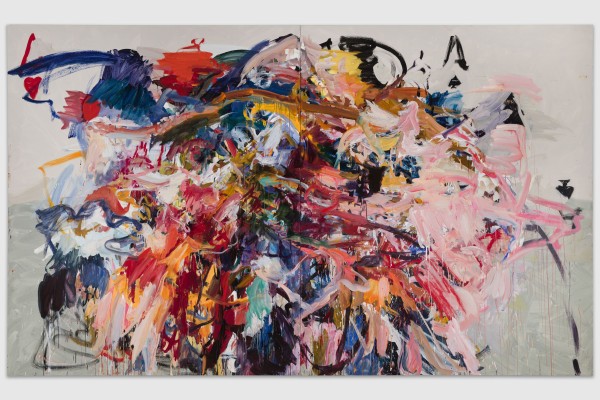
For more than four decades, Catherine Goodman CBE has developed a unique visual language that communicates a powerful visionary response to her lived experience and memory. In this new body of work, presented in the exhibition ‘The Colour of a Quiet Mind…,’ Goodman combines strongly pigmented oil paint, expressive brushwork, oil sticks, drips and washes to create immersive abstract paintings. At the heart of this new body of work lies an exploration of paradox: how painting can hold both quietness and turbulence. Created during a period marked by profound personal loss and illness, as well as a wider backdrop of war and political instability, the paintings reflect Goodman’s search for enduring, memorable images that acknowledge the fragility of the world while remaining open to joy, kindness and renewal.
The bookshop on the ground floor is open during regular opening hours.
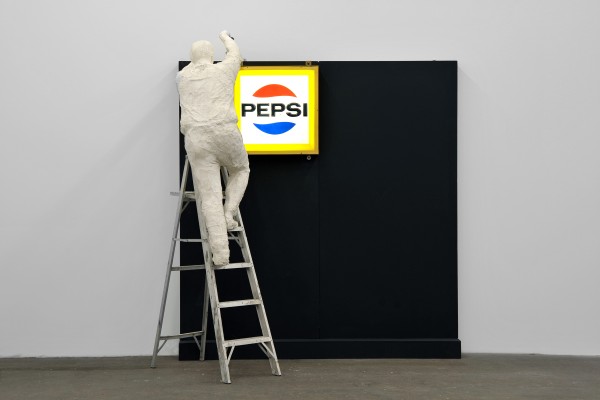
From 24 September, George Segal’s iconic ‘Man Installing Pepsi Sign’ (1973) is on view on the ground floor of Löwenbräu. Alongside this presentation, Catherine Goodman’s exhibition ‘The Colour of a Quiet Mind’ is on view on the second floor.
The bookshop on the ground floor is open during regular opening hours.
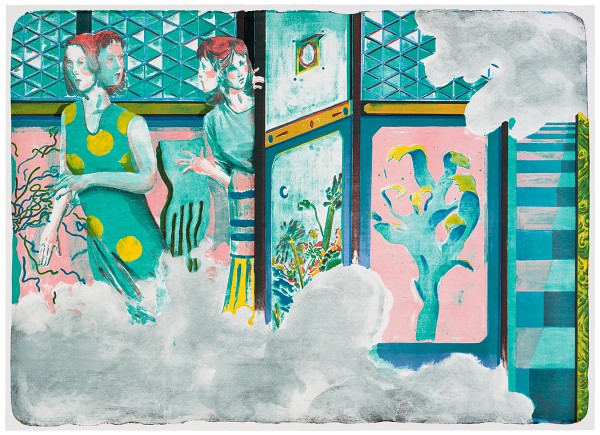
Under the title «Storylines», Edition VFO presents current positions of young artists from French-speaking Switzerland who, starting from figurative painting, develop a strong narrative in their pictorial language in new works and translate it into printmaking techniques such as lithography, monotype and screen printing.
Image: Valentin Rilliet, "An Escape in Jade", 2026, Lithografie, 71,5 x 99 cm; Photo: Bernhard Strauss
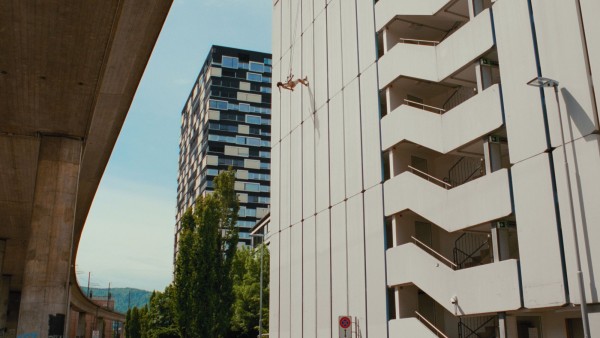
Kunsthalle Zürich warmly invites you to the opening of its new exhibitions on 25 September 2026 at 6 pm:
Ayo Akingbade
Crossing
Caspar Heinemann
Tempting Fate
6.15 pm: Welcome by Fanny Hauser, Director and Curator of Kunsthalle Zürich.
The exhibition openings are part of the Löwenbräukunst Season Opening, featuring new exhibitions, events, music, food & drinks until 11 pm. The new exhibitions will be open from 6 to 9 pm.
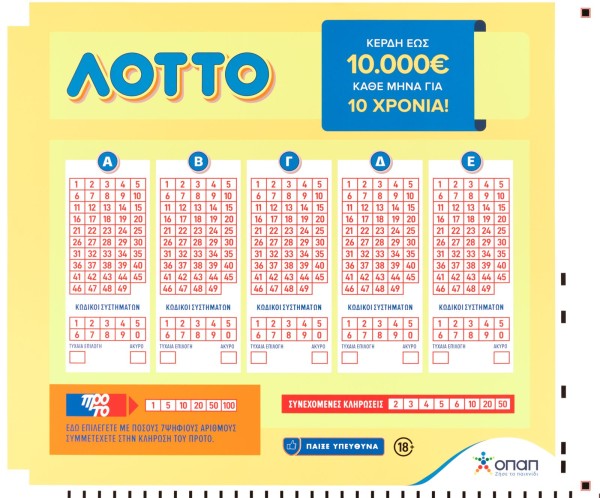
Luma Westbau presents Entertainment, an exhibition of newly commissioned works by Christodoulos Panayiotou. It continues an inquiry begun with One Year, his recent exhibition at Luma Arles, into how we experience, shape and remember time.
Entertainment looks at the ways we use leisure, distraction and spectacle to step away from everyday life. But entertainment is not simply an escape. It is also a space where we act out desires, imagine different ways of living and take on social roles. The exhibition asks what our forms of entertainment reveal about how we live, what we value and how we experience time.
Curated by Vassilis Oikonomopoulos, Artistic Director, Luma Arles.
Opening: Friday, 25 September 2026, 6-9pm

6.30pm
Introduction to the exhibitions with Yasmin Naderi Afschar & Nadia Schneider Willen, Caring Space
Followed by: Ayayay (Cómo me duele) – performative activation by Nicole L'Huillier
7 – 8pm
Anniversary Bar – 30 Years of Migros Museum für Gegenwartskunst, Löwenbräukunst Foyer
8 – 11pm DJ set curated by Shamiran Istifan, Weisse Terrasse
All exhibitions at Löwenbräukunst will remain open until 9 pm on Friday, with food and drinks available until 11 pm.
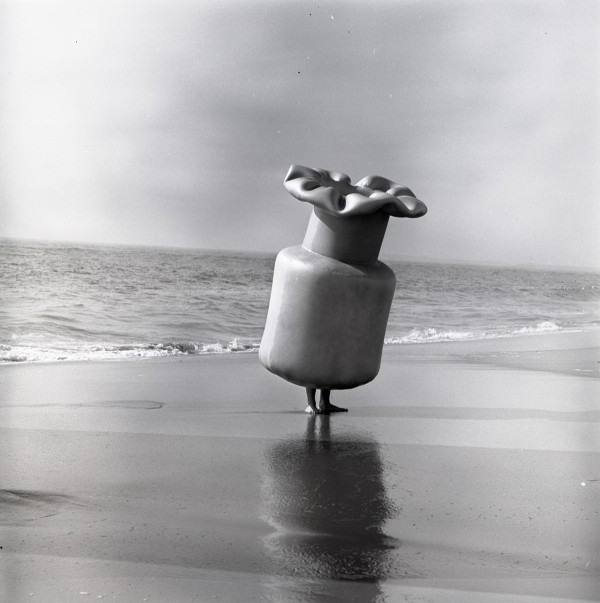
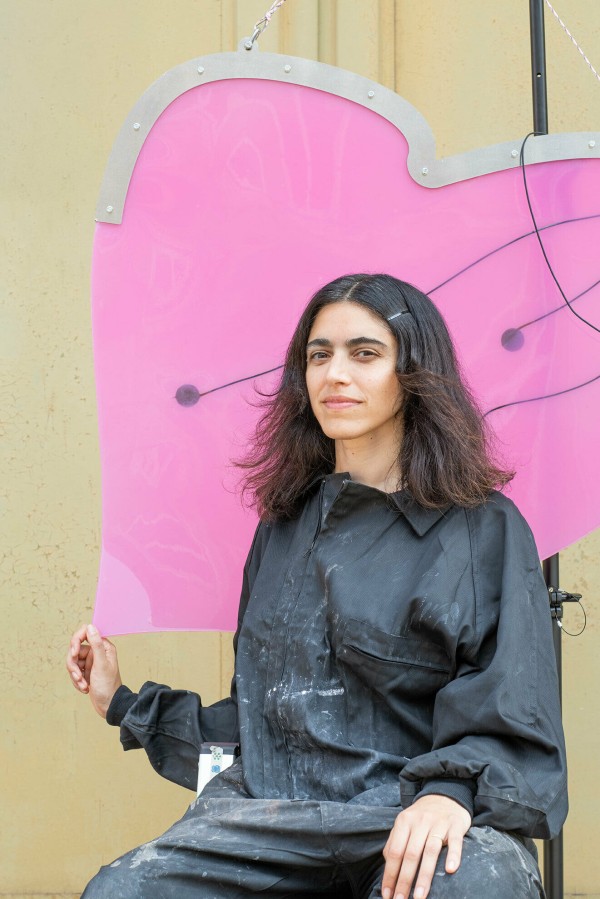
In constructivist-concrete art, the human body was largely ignored – be it as a subject, or as an element in the production of art. The focus was on the autonomy of the line, colour and surface as artistic means, whereas figurative representations were considered illusionistic and arbitrary. The group exhibition The Body Within Abstraction at Museum Haus Konstruktiv playfully and critically questions this conventional reading. Eight internationally renowned artists demonstrate how the body can serve as both a unit of measure and thematic basis for minimalistically pared-down, non-figurative art.
Vernissage: Friday, September 25th 2026, 6 pm / Performance Bodyshells by Heidi Bucher, 6.30 pm
Venue: Exhibition, ground floor
During the opening of the exhibition Canción de Amor, following the opening speech in the Caring Space, the artist Nicole L’Huillier invites the audience to join her in a collective procession to the second exhibition space. There, she will activate her sound work Ayayay (Cómo me duele) (2026) through a one-time live performance.
Conceived as an inaugural concert, the artist will perform for the first time a live adaptation of the love song composed specifically for the installation. Shared as a collective moment, the performance offers a fuller, extended version of the piece before it becomes embedded within the work for the duration of the exhibition.
Throughout the exhibition, the song exists in a different form: as a subtle sonic presence that gradually reveals itself to visitors who approach the focal point of the satellite dishes. The live activation marks the moment on which the composition can be experienced live, before becoming an invitation to engage with the work through vibration, proximity and resonance.
Nicole L’Huillier (born in 1985 in Santiago, Chile; lives and works in Berlin) is a transdisciplinary artist, researcher, and composer whose practice unfolds at the intersection of art, science, and technology. She explores sound and vibration as material forces and modes of knowledge, investigating how sonic and electromagnetic phenomena shape agency, identity, and collective experience. Through installations, sound and vibration sculptures, custom-built listening and sounding devices, performances, experimental compositions, membranal poetry, and writing, she creates immersive environments that make otherwise imperceptible processes tangible and invite new relationships between human and more-than-human worlds.
L’Huillier studied architecture at the Universidad de Chile and received her PhD from the MIT Media Lab in 2022. She is the recipient of the MIT Harold and Arlene Schnitzer Prize in the Visual Arts and a fellowship from the DAAD Artists-in-Berlin Program.
Her work has been presented internationally, including at the Venice Biennale (2024), the Ljubljana Biennale of Graphic Arts (2025), the Bienal do Mercosul (2025), Kunsthalle Bern, and the Ming Contemporary Art Museum in Shanghai. She currently teaches at the Chair of Art in Space and Time in the Department of Architecture at ETH Zurich.
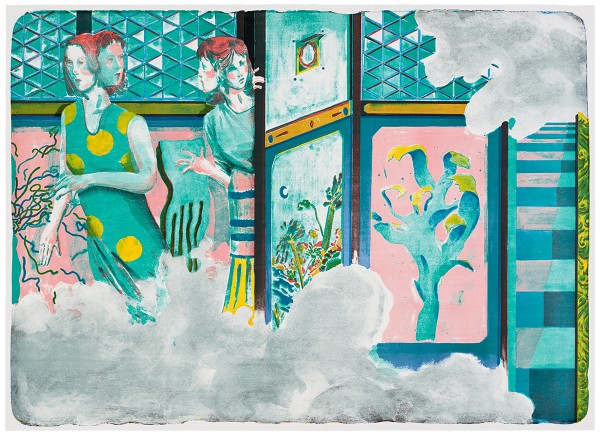
«Storylines», with works by Jeanne Jacob, Yoan Mudry, Valentin Rilliet and Romane de Watteville, presents current positions of young artists from French-speaking Switzerland who, starting from figurative painting, develop a strong narrative in their pictorial language in new works and translate it into printmaking techniques such as lithography, monotype and screen printing.
Opening on 25 September, 6 to 8 pm
Exhibition running from 26 September 2026 to 16 January 2027
Image: Valentin Rilliet, "An Escape in Jade", 2026, Lithography, 71,5 x 99 cm; Photo: Bernhard Strauss
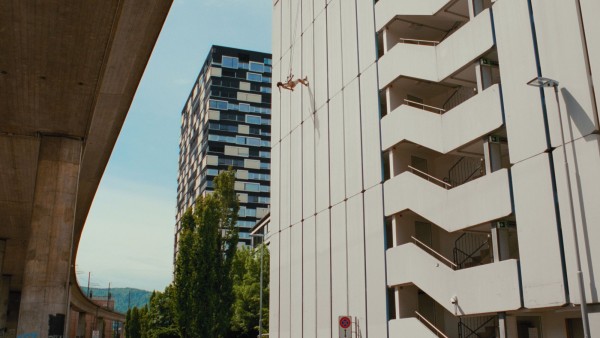
Exhibition opening: Friday 25 September 2026, 6–9 pm
Löwenbräu Season Opening: Friday 25 September 2026, 6–11 pm
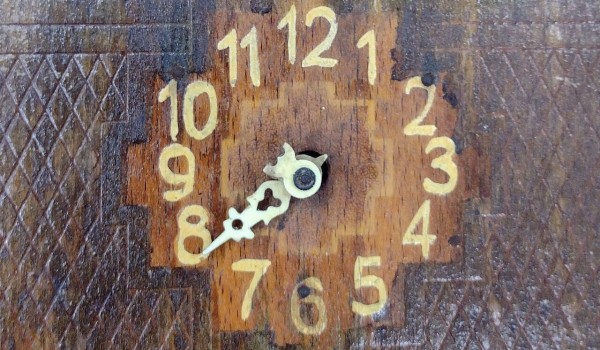
Exhibition opening: Friday 25 September 2026, 6–9 pm
Löwenbräu Season Opening: Friday 25 September 2026, 6–11 pm
Luma Westbau presents Entertainment, an exhibition of newly commissioned works by Christodoulos Panayiotou. It continues an inquiry begun with One Year, his recent exhibition at Luma Arles, into how we experience, shape and remember time.
Entertainment looks at the ways we use leisure, distraction and spectacle to step away from everyday life. But entertainment is not simply an escape. It is also a space where we act out desires, imagine different ways of living and take on social roles. The exhibition asks what our forms of entertainment reveal about how we live, what we value and how we experience time.
Curated by Vassilis Oikonomopoulos, Artistic Director, Luma Arles.
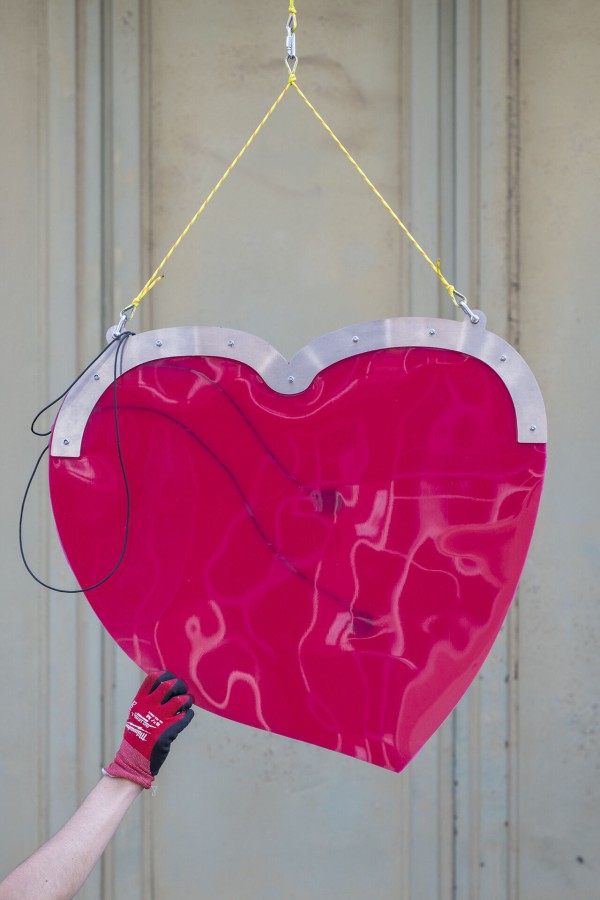
The solo exhibition by Chilean artist Nicole L'Huillier will invite visitors to interact and immerse themselves in sound-based installations that come alive through direct participation. Following a discursive first half of the year, L'Huillier's exhibition explores intriguing questions: How can art generate resonance? How can we, as individuals, give without expecting in return? Her work creates a space where sound and body intertwine, offering visitors new experiences of togetherness. Through its exhibitions, discussions and participatory formats, the Migros Museum für Gegenwartskunst brings people and art together, creating dynamic spaces for connection. In partnership with our audience, we reflect, experiment, and forge new models of solidarity and social cohesion.
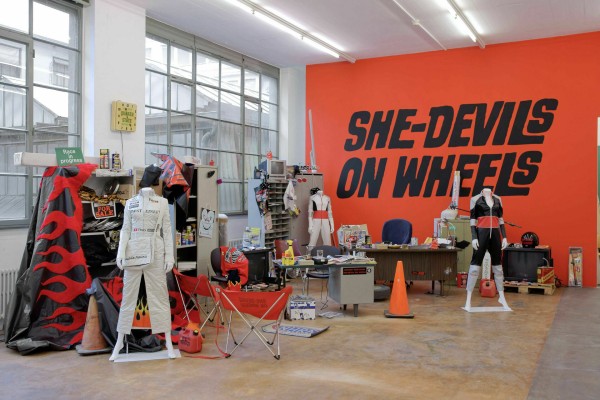
Two Swiss artists will engage in a compelling dialogue inspired by Sylvie Fleury's work She-Devils on Wheels – Headquarters (1997) from the museum's collection. This powerful, emancipatory work confronts the exclusion of women from certain spheres of life. By founding her own feminist automobile club, Fleury asserts a bold statement of self-empowerment and independence.
Displayed for the first time in 20 years, the Fleury's oeuvre will resonate with new works by Shamiran Istifan, who explores cultural codes in everyday life, feminist narratives passed down by women through generations, and questions of class and belonging. Together, their works create a vibrant conversation between feminist perspectives from the 1990s and today.
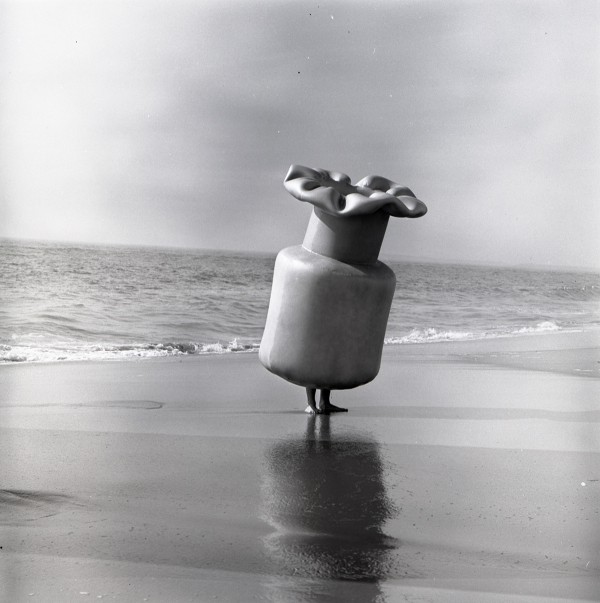
In constructivist-concrete art, the human body was largely ignored – be it as a subject, or as an element in the production of art. The focus was on the autonomy of the line, colour and surface as artistic means, whereas figurative representations were considered illusionistic and arbitrary. The group exhibition The Body Within Abstraction at Museum Haus Konstruktiv playfully and critically questions this conventional reading. Eight internationally renowned artists demonstrate how the body can serve as both a unit of measure and thematic basis for minimalistically pared-down, non-figurative art.
Heidi Bucher, Eva Fàbregas, Kimsooja, Dóra Maurer, Bruce Nauman, Steven Parrino, Chiharu Shiota and Franz West: The exhibition brings together some big names, and is also a premiere, as this is the first time since moving to Löwenbräukunst-Areal that Museum Haus Konstruktiv is utilising all of its new exhibition spaces, in both the east and west wings, for a single presentation. In exhibiting these prominent artists, the museum is also celebrating its 40th anniversary.

Location: In the museum
Language: English
The guided tour provides a multifaceted insight into the current exhibition.
Guided tours usually take place on the first Thursday and Saturday of the month.

Please note that this public guided tour is held in German.
Das Museum Haus Konstruktiv bietet regelmässig öffentliche Führungen an. Das Publikum entdeckt die vielfältige Ideenwelt der Künstler:innen, erhält Hintergrundinformationen und kann den Blick auf die moderne und zeitgenössische Kunst schulen.
Erhalten Sie vertiefte Einblicke in die Ausstellung «The Body Within Abstraction» mit Werken von Heidi Bucher, Eva Fàbregas, Kimsooja, Dóra Maurer, Bruce Nauman, Steven Parrino, Chiharu Shiota und Franz West.

The Migros Museum für Gegenwartskunst is a vibrant place for encounters and meaningful exchange. On the last Saturday of each month, you can engage directly with our live speakers in the exhibition.
Do you have questions about the artworks, are you curious about background information on the exhibition, or would you like to discuss ways to build a more solidarity-based society? The expertise of our dedicated live speakers makes your visit both informative and interactive. We look forward to welcoming you!

Please note that this public guided tour is held in German.
Das Museum Haus Konstruktiv bietet regelmässig öffentliche Führungen an. Das Publikum entdeckt die vielfältige Ideenwelt der Künstler:innen, erhält Hintergrundinformationen und kann den Blick auf die moderne und zeitgenössische Kunst schulen.
Erhalten Sie vertiefte Einblicke in die Ausstellung «The Body Within Abstraction» mit Werken von Heidi Bucher, Eva Fàbregas, Kimsooja, Dóra Maurer, Bruce Nauman, Steven Parrino, Chiharu Shiota und Franz West.

Location: In the museum
Language: German
The guided tour provides a multifaceted insight into the current exhibition.
Guided tours usually take place on the first Thursday and Saturday of the month.

Location: In the museum
Language: English
The guided tour provides a multifaceted insight into the current exhibition.
Guided tours usually take place on the first Thursday and Saturday of the month.

The Museum Haus Konstruktiv offers public guided tours on a regular basis. Visitors can discover the diverse world of ideas of the artists, obtain background information and train their eye for modern and contemporary art.
Gain in-depth insights into the exhibition, «The Body Within Abstraction», which features works by Heidi Bucher, Eva Fàbregas, Kimsooja, Dóra Maurer, Bruce Nauman, Steven Parrino, Chiharu Shiota and Franz West.
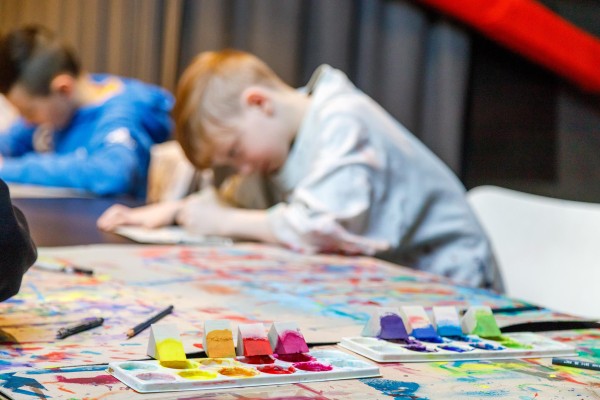
Slot 1: 1 to 2.15pm
The SonntagsAtelier invites families to playfully discover art and get creative together. Children and adults can explore the exhibition’s themes through small games and creative prompts.
Places in the atelier are limited. Advance registration is not available. Tickets will be available at the front desk on the day of the event. We recommend arriving early to secure your spot.
To ensure all guests enjoy a peaceful and relaxing experience, please respect our house rules.

Slot 2: 2.30 to 4 pm
The SonntagsAtelier invites families to playfully discover art and get creative together. Children and adults can explore the exhibition’s themes through small games and creative prompts.
Places in the atelier are limited. Advance registration is not available. Tickets will be available at the front desk on the day of the event. We recommend arriving early to secure your spot.
To ensure all guests enjoy a peaceful and relaxing experience, please respect our house rules.
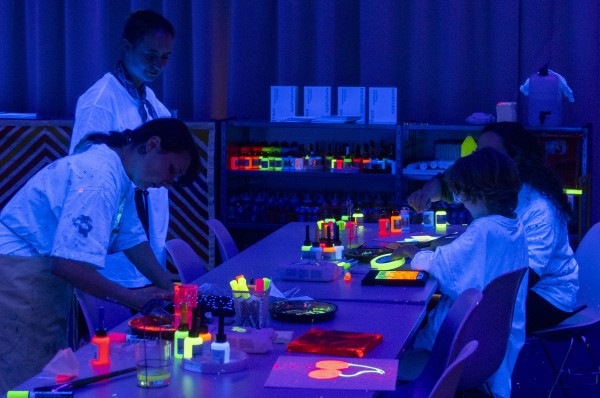
In the Neon Nights, the studio at Haus Konstruktiv transforms into a fluorescent experimental space. Inspired by the current exhibition, visitors can freely unleash their creativity in a relaxed atmosphere. After a short tour of the exhibition, there is the opportunity to paint, design, and experiment with neon colours. The relaxed atmosphere is the perfect setting for a creative evening. Whether it's your first time or you're already regularly working creatively – there's room to try out new things.

Meeting point: Museum entrance
Are you interested in mental health, art, and new perspectives? Then join us at the Migros Museum für Gegenwartskunst on International Mental Health Day. Together, we will create an open space for exchange, creativity, and connection.
Following a Slow Art tour of the interactive exhibition Canción de Amor by Nicole L'Huillier, you will explore different ways of expressing your feelings and perceptions. Using paint, paper, and natural or everyday materials, you will experiment, contribute your own ideas, and create together with others.
This co-creative workshop offers a welcoming space for young people experiencing mental health challenges, as well as friends, family members, and anyone interested in the topic. The focus is on participation, creative forms of expression, community building, and strengthening personal resources.
A collaboration between the Migros Museum für Gegenwartskunst, Living Museum Zürich, and Mentalliance.
Medical Disclaimer:
The Art and Healing Workshop is a resource-oriented space for encounter and exchange and does not constitute psychotherapeutic treatment. If you are experiencing an acute mental health crisis, or if there is a risk of harm to yourself or others, please seek immediate support from Pro Juventute counselling service 147, emergency medical services (144), or a psychiatric emergency service.
With Cynthia Gavranic, Head of Education and art therapist in training, Migros Museum für Gegenwartskunst, and Marlise Vogel, certified art therapist (ED) and board member of Living Museum Zürich.

Please note that this public guided tour is held in German.
Das Museum Haus Konstruktiv bietet regelmässig öffentliche Führungen an. Das Publikum entdeckt die vielfältige Ideenwelt der Künstler:innen, erhält Hintergrundinformationen und kann den Blick auf die moderne und zeitgenössische Kunst schulen.
Erhalten Sie vertiefte Einblicke in die Ausstellung «The Body Within Abstraction» mit Werken von Heidi Bucher, Eva Fàbregas, Kimsooja, Dóra Maurer, Bruce Nauman, Steven Parrino, Chiharu Shiota und Franz West.

Please note that this public guided tour is held in German.
Das Museum Haus Konstruktiv bietet regelmässig öffentliche Führungen an. Das Publikum entdeckt die vielfältige Ideenwelt der Künstler:innen, erhält Hintergrundinformationen und kann den Blick auf die moderne und zeitgenössische Kunst schulen.
Erhalten Sie vertiefte Einblicke in die Ausstellung «The Body Within Abstraction» mit Werken von Heidi Bucher, Eva Fàbregas, Kimsooja, Dóra Maurer, Bruce Nauman, Steven Parrino, Chiharu Shiota und Franz West.
Meeting point: LOI Bistro, Löwenbräukunst foyer, Limmatstrasse 270
Exhibition tour: 7:00–7:30 pm
Hello Single,
On October 15, we are opening our museum especially for you! As part of a dating event organized by noii, you will enjoy a guided tour through the Migros Museum für Gegenwartskunst together with other like-minded singles.
A particular highlight will be the ground-floor exhibition Canción de Amor byNicole L'Huillier. The artist’s colorful sound installations only truly come to life through your interaction. And isn’t the exhibition title itself a wonderful omen for a dating event.
Upstairs, the exhibition She Devils on Wheels Angels on Heels explores gender stereotypes between the auto repair shop and the beauty salon, a highly relevant topic in today’s social media landscape.
Since a 30-minute tour does not leave much time for endless conversations, we will round off the evening at LOI Bistro, where you can continue discussing art, life, and the world with fellow singles.
Dating and museum visits? A perfect match!
The event is organized jointly by noii and Zusammen ins Museum in cooperation with the Migros Museum für Gegenwartskunst.

Please note that this public guided tour is held in German.
Das Museum Haus Konstruktiv bietet regelmässig öffentliche Führungen an. Das Publikum entdeckt die vielfältige Ideenwelt der Künstler:innen, erhält Hintergrundinformationen und kann den Blick auf die moderne und zeitgenössische Kunst schulen.
Erhalten Sie vertiefte Einblicke in die Ausstellung «The Body Within Abstraction» mit Werken von Heidi Bucher, Eva Fàbregas, Kimsooja, Dóra Maurer, Bruce Nauman, Steven Parrino, Chiharu Shiota und Franz West.
When artworks are allowed to change - The Preservation of "She-Devils on Wheels"
What are the greatest challenges in conserving installation artworks? Unlike more fixed art forms, installations often change with each presentation, responding to a specific space, curatorial context, and sometimes even the people involved in their realization. How does an artist influence the form their work takes when it is reinstalled in a new environment? We will explore these questions through two works by Sylvie Fleury from the collection of Migros Museum für Gegenwartskunst .
Variability can be an intentional aspect of an artwork, particularly in installations, but it can also result from conservation processes. Works incorporating time-based media often require interventions such as migration or digitization due to technological obsolescence. The moment of acquisition is therefore crucial, yet museums frequently have to reconstruct missing information retrospectively.
How can authenticity be preserved amid these changes? Which elements of a work remain constant, and which are open to transformation? Who decides? These questions become even more complex when artists are still actively involved and able to shape, reinterpret, or authorize changes to their own work.
Migros Museum für Gegenwartskunst, Limmatstrasse 270, 8005 Zürich: Google Maps
Meeting Point: Migros Museum für Gegenwartskunst: In front of the museum entrance on the ground floor inside the building (near the sign).
The collaboratively designed Art and Healing Workshop Series with the Living Museum Zurich has been taking place regularly since 2023 at the Migros Museum für Gegenwartskunst or the Living Museum Zurich. The workshops create a space for encounters between people with and without psychiatric experiences or mental health topics.
In this open, co-creative environment, we will explore the theme of “Resonance and Resilience” throughout the autumn. Inspiration comes from Canción de Amor, the exhibition by artist Nicole L’Huillier at the Migros Museum. Her sound installations only unfold through the active participation of visitors, creating a space in which sound and body enter into resonance and new forms of togetherness can be experienced.
In the studio, we will work with paint, paper, textiles, and natural as well as everyday materials. The workshops encourage connection, solidarity, collective artistic exploration, and the strengthening of personal resources.
The workshop series will conclude with a public presentation of the artworks created during the sessions as part of a vernissage at the Living Museum Zürich.
Medical Disclaimer:
The Art and Healing Workshops provide a resource-oriented space for encounter and creative exchange and do not constitute psychotherapeutic treatment. If you are experiencing an acute mental health crisis, or if there is a risk of harm to yourself or others, please contact the emergency medical services (144 in Switzerland) or a psychiatric emergency service immediately.
With Cynthia Gavranic, Head of Education and Art Therapist in Training, Migros Museum für Gegenwartskunst, Marlise Vogel, Art Therapist ED, Chairperson, Living Museum Zurich and Tanya Weiss, Art Therapist, Living Museum
Languages: German and English
For Teenagers and adults aged 16 and older
Booking: Please register at least 3 days before the start via kunstvermittlung@migrosmuseum.ch
Maximum participants: 15 people
Free participation
Dates and locations:
Workshop: 16 November (Living Museum Zürich)
Workshop: 14 Dezember (Migros Museum für Gegenwartskunst),
Vernissage: 11 January, 5-7 PM no registration required

Please note that this public guided tour is held in German.
Exklusiver Rundgang mit Annika Hossain durch die Ausstellung mit anschliessendem Apéro für unsere Mitglieder und alle, die es noch werden wollen.
Erhalten Sie vertiefte Einblicke in die Ausstellung «The Body Within Abstraction» mit Werken von Heidi Bucher, Eva Fàbregas, Kimsooja, Dóra Maurer, Bruce Nauman, Steven Parrino, Chiharu Shiota und Franz West.

The Migros Museum für Gegenwartskunst is a vibrant place for encounters and meaningful exchange. On the last Saturday of each month, you can engage directly with our live speakers in the exhibition.
Do you have questions about the artworks, are you curious about background information on the exhibition, or would you like to discuss ways to build a more solidarity-based society? The expertise of our dedicated live speakers makes your visit both informative and interactive. We look forward to welcoming you!

As part of this project, people with and without disabilities explore the museum together. They experience and discuss art in their own way. The tour is open to everyone and is included in the museum admission fee.
The regular museum admission fee is CHF 18. A reduced price of CHF 12 is available with a Swiss disability (IV) or pension (AHV) card. Admission is free for required accompanying persons. No registration is required.

Please note that this public guided tour is held in German.
Das Museum Haus Konstruktiv bietet regelmässig öffentliche Führungen an. Das Publikum entdeckt die vielfältige Ideenwelt der Künstler:innen, erhält Hintergrundinformationen und kann den Blick auf die moderne und zeitgenössische Kunst schulen.
Erhalten Sie vertiefte Einblicke in die Ausstellung «The Body Within Abstraction» mit Werken von Heidi Bucher, Eva Fàbregas, Kimsooja, Dóra Maurer, Bruce Nauman, Steven Parrino, Chiharu Shiota und Franz West.

Slot 1: 1 to 2.15pm
The SonntagsAtelier invites families to playfully discover art and get creative together. Children and adults can explore the exhibition’s themes through small games and creative prompts.
Places in the atelier are limited. Advance registration is not available. Tickets will be available at the front desk on the day of the event. We recommend arriving early to secure your spot.
To ensure all guests enjoy a peaceful and relaxing experience, please respect our house rules.
2:00 – 2:30 PM: Interactive family tour through the exhibition
Meeting point: Museum entrance
From 2:30 PM: Workshop in the Atelier Migros Museum, basement level
Feel free to come and go
Dear families, children, and accompanying adults, Today, we are opening our museum and studio especially for you!
At 2:00 pm, we will embark on a discovery tour of Canción de Amor, the exhibition by artist Nicole L'Huillier. There is plenty to listen to, observe, and explore, as the colourful sound installations only come to life through the participation of visitors.
From 2:30 pm onwards, we will get creative in our open studio. Using recycled materials that you bring along, such as empty cans, cardboard boxes, or plastic cups, we will create our own imaginative sound objects with paints, pebbles, and other materials. Shake, drum, rattle, and ring, anything is possible!
A delicious afternoon snack will be provided. We look forward to spending a joyful afternoon with you!
Please bring: Clean yogurt pots, cottage cheese containers, tin cans, or toilet paper rolls.
With: Cynthia Gavranic (Head of Education), Flavia Trachsler and Aina Aliotta (Art Educator)
Languages: German and English
No registration required
Feel free to come and go
Children must be accompanied by adults
Ideal age for children: 3 to 10 years
Free event

Slot 2: 2.30 to 4 pm
The SonntagsAtelier invites families to playfully discover art and get creative together. Children and adults can explore the exhibition’s themes through small games and creative prompts.
Places in the atelier are limited. Advance registration is not available. Tickets will be available at the front desk on the day of the event. We recommend arriving early to secure your spot.
To ensure all guests enjoy a peaceful and relaxing experience, please respect our house rules.

Please note that this public guided tour is held in German.
Das Museum Haus Konstruktiv bietet regelmässig öffentliche Führungen an. Das Publikum entdeckt die vielfältige Ideenwelt der Künstler:innen, erhält Hintergrundinformationen und kann den Blick auf die moderne und zeitgenössische Kunst schulen.
Erhalten Sie vertiefte Einblicke in die Ausstellung «The Body Within Abstraction» mit Werken von Heidi Bucher, Eva Fàbregas, Kimsooja, Dóra Maurer, Bruce Nauman, Steven Parrino, Chiharu Shiota und Franz West.

Venue: Exhibition
A choir workshop hosted by Nicole L'Huillier and Ingo Niermann
How do you reach someone who has stopped listening? Common anti-capitalist protests rely on shouting to be heard. But shouting rarely changes a heart. This workshop takes a different approach, one rooted in voice, vibration, and collective sonic presence: building and training a siren-like chorus whose beguiling chants (eventually performed in front of mansions, yachts, casinos, luxury hotels, exclusive clubs and shops) are meant to plant earworms to instigate change, to the rich to “share!” Taking Ingo Niermann’s video Positive Terror – 7 Tutorials as a starting point, the workshop will include basic singing exercises, followed by the writing, arranging and performing of exemplary chants.
For this context, Nicole L’Huillier's upcoming exhibition Canción de Amor – an architecture activated by touch, voice, and movement, transforming individual gestures into a shared, ever-shifting sonic composition – becomes an attunement laboratory: a space to rehearse collective listening and resonance for the choir's second gathering. The first gathering is on September 13 at Shedhalle Zurich.
Der Chor-Workshop ist Teil einer Kooperation zwischen der Shedhalle Zürich und dem Migros Museum für Gegenwartskunst.
Nicole L’Huillier (born in 1985 in Santiago, Chile; lives and works in Berlin) is a transdisciplinary artist and researcher working at the intersection of art, science and technology. Her work encompasses installations, sound and vibration sculptures, performances and experimental compositions. She studied architecture at the Universidad de Chile and was awarded her PhD in 2022 at the MIT Media Lab. Her honours include the MIT Harold and Arlene Schnitzer Prize in the Visual Arts and a fellowship from the DAAD’s Berlin Artists’ Programme. Her works have been exhibited internationally, including at the Venice Biennale (2024), the Ljubljana Biennale of Graphic Arts (2025), the Bienal do Mercosul (2025), the Kunsthalle Bern and the Ming Contemporary Art Museum in Shanghai. She conducts research and teaches at the Department of Architecture at ETH Zurich.
Ingo Niermann is a writer and artist based in Basel. His work moves between literature, speculative writing, art, and social and political thought. He is the editor of the Solution Series, published by Sternberg Press, and has authored numerous books, including Umbauland, Complete Love, Mare Amoris and The Monadic Age. His work has been presented at institutions and exhibitions including documenta, the Berlin Biennale, the Istanbul Biennale and ZKM. Niermann is also the initiator of the Army of Love, a project exploring the redistribution of sensual love. He teaches at the Institute Art Gender Nature at HGK Basel FHNW.

Location: In the museum
Language: German
The curatorial tour with the exhibition's curator Nadia Schneider Willen, offers visitors the opportunity to learn more about the conception and creation of the exhibition, as well as the background of the artworks, and to ask questions to the exhibition makers. The tour will be conducted in German.
This event is free of charge.
No registration required.
Guided tours usually take place on the first Thursday and Saturday of the month.

Migros Museum für Gegenwartskunst, Limmatstrasse 270, 8005 Zürich: Google Maps
Meeting Point: Migros Museum für Gegenwartskunst: In front of the museum entrance on the ground floor inside the building (near the sign).
The collaboratively designed Art and Healing Workshop Series with the Living Museum Zurich has been taking place regularly since 2023 at the Migros Museum für Gegenwartskunst or the Living Museum Zurich. The workshops create a space for encounters between people with and without psychiatric experiences or mental health topics.
In this open, co-creative environment, we will explore the theme of “Resonance and Resilience” throughout the autumn. Inspiration comes from Canción de Amor, the exhibition by artist Nicole L’Huillier at the Migros Museum. Her sound installations only unfold through the active participation of visitors, creating a space in which sound and body enter into resonance and new forms of togetherness can be experienced.
In the studio, we will work with paint, paper, textiles, and natural as well as everyday materials. The workshops encourage connection, solidarity, collective artistic exploration, and the strengthening of personal resources.
The workshop series will conclude with a public presentation of the artworks created during the sessions as part of a vernissage at the Living Museum Zürich.
Medical Disclaimer:
The Art and Healing Workshops provide a resource-oriented space for encounter and creative exchange and do not constitute psychotherapeutic treatment. If you are experiencing an acute mental health crisis, or if there is a risk of harm to yourself or others, please contact the emergency medical services (144 in Switzerland) or a psychiatric emergency service immediately.
With Cynthia Gavranic, Head of Education and Art Therapist in Training, Migros Museum für Gegenwartskunst, Marlise Vogel, Art Therapist ED, Chairperson, Living Museum Zurich and Tanya Weiss, Art Therapist, Living Museum
Languages: German and English
For Teenagers and adults aged 16 and older
Booking: Please register at least 3 days before the start via kunstvermittlung@migrosmuseum.ch
Maximum participants: 15 people
Free participation
Dates and locations:
Workshop: 14 Dezember (Migros Museum für Gegenwartskunst),
Vernissage: 11 January, 5-7 PM no registration required

Venue: Migros Museum für Gegenwartskunst, Atelier
Meeting point: Museum entrance, ground floor
The Grief Café is a space for conversation, where we can come together to mourn and exchange memories. Farewells are a recurring part of life: whether it’s the end of a romantic relationship, a broken friendship, a death, or an illness. Sharing these experiences creates connection and can have a healing effect.
The Grief Café, inspired by the exhibition Disobedience Archive (Canopy for Broken Time), addresses themes such as loss, memory, political mourning, and community. During a guided tour with grief counselor Jordis Fellmann, we will discuss the thoughts and feelings the exhibition evokes in us.
Afterward, we will gather in the art mediation studio over coffee and cake to share our own experiences. Together with the grief counselor, we will explore rituals to confront death, grief, and loss, finding ways to process them effectively. To conclude, with the guidance of an art therapist, we will use various materials, paper, and colors to give shape to our grief and emotions through art.

Meeting point: Museum entrance, ground floor
Who looks after the artworks collected by the museum? How are the various materials preserved? What challenges does conservation present regarding sustainability and managing resources? In this tour, participants will learn more about the background of the works on display from Francisca Silva e Sousa, Head of Collection Care.
She will explain how important it is to give a close and detailed look into the artworks and what one discovers in the process. Another topic to explore regards the challenge posed by artworks that use technologies that make them vulnerable to obsolescence. And how does one deal with objects whose appearance changes faster than desired, due to ageing processes? Francisca Silva e Sousa will explore these questions and provide a deeper insight into preventative care, as well as highlighting cases that defy traditional conservation standards.
Francisca Silva e Sousa is a conservator specialising in modern materials and time-based media art. She is interested in conservation ethics and how contemporary art challenges the classical museological framework.
Location: In the museum
Language: German
The guided tour provides a multifaceted insight into the current exhibition.
Guided tours usually take place on the first Thursday and Saturday of the month.

Location: In the museum
Language: German
The guided tour provides a multifaceted insight into the current exhibition.
This event is free of charge.
No registration required.

Venue: Exhibition
As part of the exhibition Canción de Amor, artist Nicole L’Huillier will be in conversation with artist Nina Emge, moderated by curator Yasmin Naderi Afschar.
Connected through a longstanding artistic exchange and friendship, the two artists will reflect on their shared interests in sound, listening, resonance and collective forms of experience. The conversation will explore their artistic practice, focusing on questions of vibration, embodiment, technology and alternative forms of sensing and connection.
Through a dialogue between two artists whose practices engage deeply with sound and listening, the conversation will consider how artistic processes can expand our understanding of environments, relationships and forms of communication. Together, L’Huillier and Emge will discuss listening as a creative and political practice, t, and the ways in which artistic works can create spaces for encounter, resonance and transformation.
Nicole L’Huillier (born in 1985 in Santiago, Chile; lives and works in Berlin) is a transdisciplinary artist and researcher working at the intersection of art, science and technology. Her work encompasses installations, sound and vibration sculptures, performances and experimental compositions. She studied architecture at the Universidad de Chile and was awarded her PhD in 2022 at the MIT Media Lab. Her honours include the MIT Harold and Arlene Schnitzer Prize in the Visual Arts and a fellowship from the DAAD’s Berlin Artists’ Programme. Her works have been exhibited internationally, including at the Venice Biennale (2024), the Ljubljana Biennale of Graphic Arts (2025), the Bienal do Mercosul (2025), the Kunsthalle Bern and the Ming Contemporary Art Museum in Shanghai. She conducts research and teaches at the Department of Architecture at ETH Zurich.
Nina Emge (*1995, Zurich) is an artist based in Zurich and Berlin. Her practice explores the social dimensions of sound, voice, silence and listening. Through installations, drawings, research and archival processes, Emge examines questions of collective work, decentralisationand alternative forms of knowledge production. She is a member of the Transnational Sound Initiative, and her work has been presented at institutions including Kunsthalle Zürich, Kunsthalle Bern, Istituto Svizzero, Shedhalle Zürich and Halle für Kunst Lüneburg.
Language: English
Barrier-free access
No registration required
Free of charge

Venue: Exhibition space
Meeting point: Museum entrance, ground floor
The workshop-series “Resonance Journey” offers body-oriented experiences and approaches to art based on each exhibition in the museum spaces.
Which voices, melodies, or sounds fit the various artworks, and which movements or feelings do they evoke? Together, we will resonate with the art, our voices, and our bodies, inspired by the themes of the exhibition. Come along on this exciting journey!
In Nicole L’Huillier’s exhibition Nicole L'Huillier Cancion de Amor, the sound-based installations only fully unfold through the audience’s activation, making them a perfect fit for the Resonance Journey Workshop. Artist Mario Espinoza will lead a variety of voice and movement exercises, while art educator Cynthia Gavranic will provide information about selected works.
Workshop curated and led by Mario Espinoza (artist), with Cynthia Gavranic (head of learning).

Venue: Exhibition space
Meeting point: Museum entrance, ground floor
The workshop-series “Resonance Journey” offers body-oriented experiences and approaches to art based on each exhibition in the museum spaces.
Which voices, melodies, or sounds fit the various artworks, and which movements or feelings do they evoke? Together, we will resonate with the art, our voices, and our bodies, inspired by the themes of the exhibition. Come along on this exciting journey!
In Nicole L’Huillier’s exhibition Nicole L'Huillier Cancion de Amor, the sound-based installations only fully unfold through the audience’s activation, making them a perfect fit for the Resonance Journey Workshop. Artist Mario Espinoza will lead a variety of voice and movement exercises, while art educator Cynthia Gavranic will provide information about selected works.
Workshop curated and led by Mario Espinoza (artist), with Cynthia Gavranic (head of learning).

Location: In the museum
Language: German
The curatorial tour with the exhibition's curator Yasmin Naderi Afschar offers visitors the opportunity to learn more about the conception and creation of the exhibition, as well as the background of the artworks, and to ask questions to the exhibition makers. The tour will be conducted in German.
This event is free of charge.
No registration required.
Guided tours usually take place on the first Thursday and Saturday of the month.
Migros Museum für Gegenwartskunst, Limmatstrasse 270, 8005 Zürich: Google Maps
Meeting Point: Migros Museum für Gegenwartskunst: In front of the museum entrance on the ground floor inside the building (near the sign).
The collaboratively designed Art and Healing Workshop Series with the Living Museum Zurich has been taking place regularly since 2023 at the Migros Museum für Gegenwartskunst or the Living Museum Zurich. The workshops create a space for encounters between people with and without psychiatric experiences or mental health topics.
In this open, co-creative environment, we will explore the theme of “Resonance and Resilience” throughout the autumn. Inspiration comes from Canción de Amor, the exhibition by artist Nicole L’Huillier at the Migros Museum. Her sound installations only unfold through the active participation of visitors, creating a space in which sound and body enter into resonance and new forms of togetherness can be experienced.
In the studio, we will work with paint, paper, textiles, and natural as well as everyday materials. The workshops encourage connection, solidarity, collective artistic exploration, and the strengthening of personal resources.
The workshop series will conclude with a public presentation of the artworks created during the sessions as part of a vernissage at the Living Museum Zürich.
Medical Disclaimer:
The Art and Healing Workshops provide a resource-oriented space for encounter and creative exchange and do not constitute psychotherapeutic treatment. If you are experiencing an acute mental health crisis, or if there is a risk of harm to yourself or others, please contact the emergency medical services (144 in Switzerland) or a psychiatric emergency service immediately.
With Cynthia Gavranic, Head of Education and Art Therapist in Training, Migros Museum für Gegenwartskunst, Marlise Vogel, Art Therapist ED, Chairperson, Living Museum Zurich and Tanya Weiss, Art Therapist, Living Museum
Languages: German and English
For Teenagers and adults aged 16 and older
Booking: Please register at least 3 days before the start via kunstvermittlung@migrosmuseum.ch
Maximum participants: 15 people
Free participation
Dates and locations:
Vernissage: 11 January, 5-7 PM no registration required

2:00 – 2:30 PM: Interactive family tour through the exhibition
Meeting point: Museum entrance
From 2:30 PM: Workshop in the Atelier Migros Museum, basement level
Feel free to come and go
Dear families, children, and accompanying adults, Today, we are opening our museum and studio especially for you!
At 2:00 pm, we will embark on a discovery tour of Canción de Amor, the exhibition by artist Nicole L'Huillier. There is plenty to listen to, observe, and explore, as the colourful sound installations only come to life through the participation of visitors.
From 2:30 pm onwards, we will get creative in our open studio. Using recycled materials that you bring along, such as empty cans, cardboard boxes, or plastic cups, we will create our own imaginative sound objects with paints, pebbles, and other materials. Shake, drum, rattle, and ring, anything is possible!
A delicious afternoon snack will be provided. We look forward to spending a joyful afternoon with you!
Please bring: Clean yogurt pots, cottage cheese containers, tin cans, or toilet paper rolls.
With: Cynthia Gavranic (Head of Education), Flavia Trachsler and Aina Aliotta (Art Educator)
Languages: German and English
No registration required
Feel free to come and go
Children must be accompanied by adults
Ideal age for children: 3 to 10 years
Free event

Venue: Living Museum Zürich (new address!) Am Guggenberg 8, 8053 Zürich
To conclude the collaboratively designed Art and Healing Workshop Series with the Living Museum Zurich, the works created during the workshops will be publicly presented at a vernissage in the Living Museum Zurich.
During the workshop series, we explored the theme “Resonance and Resilience” in an open, creative environment. Our inspiration came from the current exhibition.
Public Event
No registration required
Free participation

The Migros Museum für Gegenwartskunst is a vibrant place for encounters and meaningful exchange. On the last Saturday of each month, you can engage directly with our live speakers in the exhibition.
Do you have questions about the artworks, are you curious about background information on the exhibition, or would you like to discuss ways to build a more solidarity-based society? The expertise of our dedicated live speakers makes your visit both informative and interactive. We look forward to welcoming you!
